
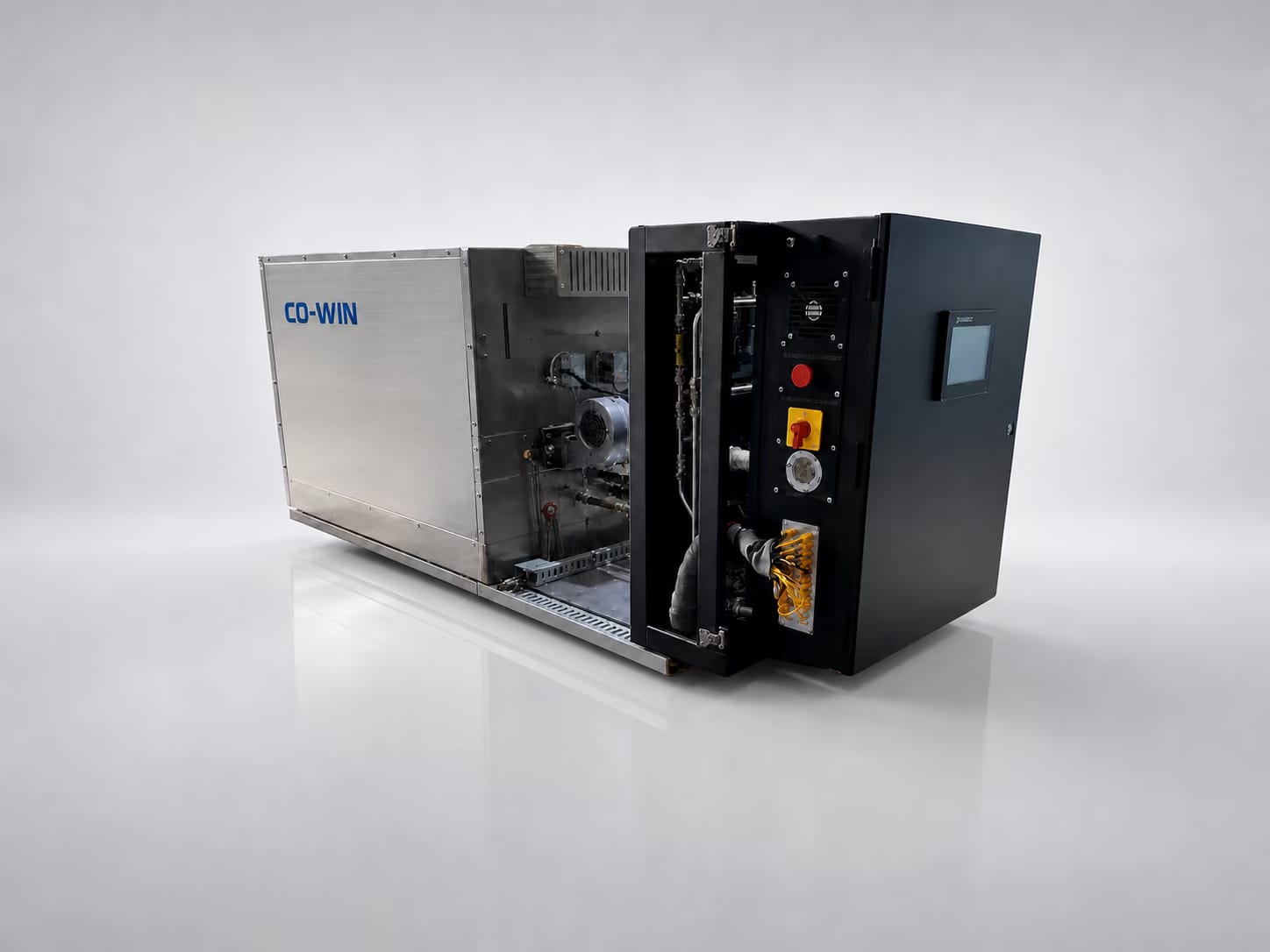
Hydrogen Generator
CW-HG36
Mobile high-capacity hydrogen generation platform
A 36 Nm³/h methanol-water hydrogen generator for heavy-duty logistics vehicles and other applications requiring a high-volume hydrogen supply.
Request product informationProduct data
Technical specifications
CW-HG36 is a mobile methanol-water reforming hydrogen generator engineered for high-capacity deployment, with integrated control, monitoring and configurable electrical supply.
- Product model
- CW-HG36
- Product format
- Mobile methanol-water hydrogen generator
- Dimensions
- L2150 × W780 × H880 mm
- Weight
- ~900 kg
- Hydrogen output
- 36 Nm³/h @ 1 bar
- Hydrogen purity
- H2 99.97%; CO ≤0.2 ppm
- Hydrogen outlet pressure
- 1–2 bar
- Start-up time
- 2–4 hours
- First start-up power
- 12 kW
- Operating power
- 500–1,000 W
- Fuel mixture
- 62% methanol / 38% deionized water 1
- Fuel consumption
- Approximately 1 kg or 1.1 L of fuel per Nm³ hydrogen under stable 25°C laboratory conditions 2
- Data interfaces
- RS-485, CAN, Modbus, MQTT and J1939; custom protocols supported
- Control modes
- Touch display, mobile app and PC host software
- Monitoring
- Wired and wireless monitoring
High-capacity deployment
Hydrogen output for mobile operations.
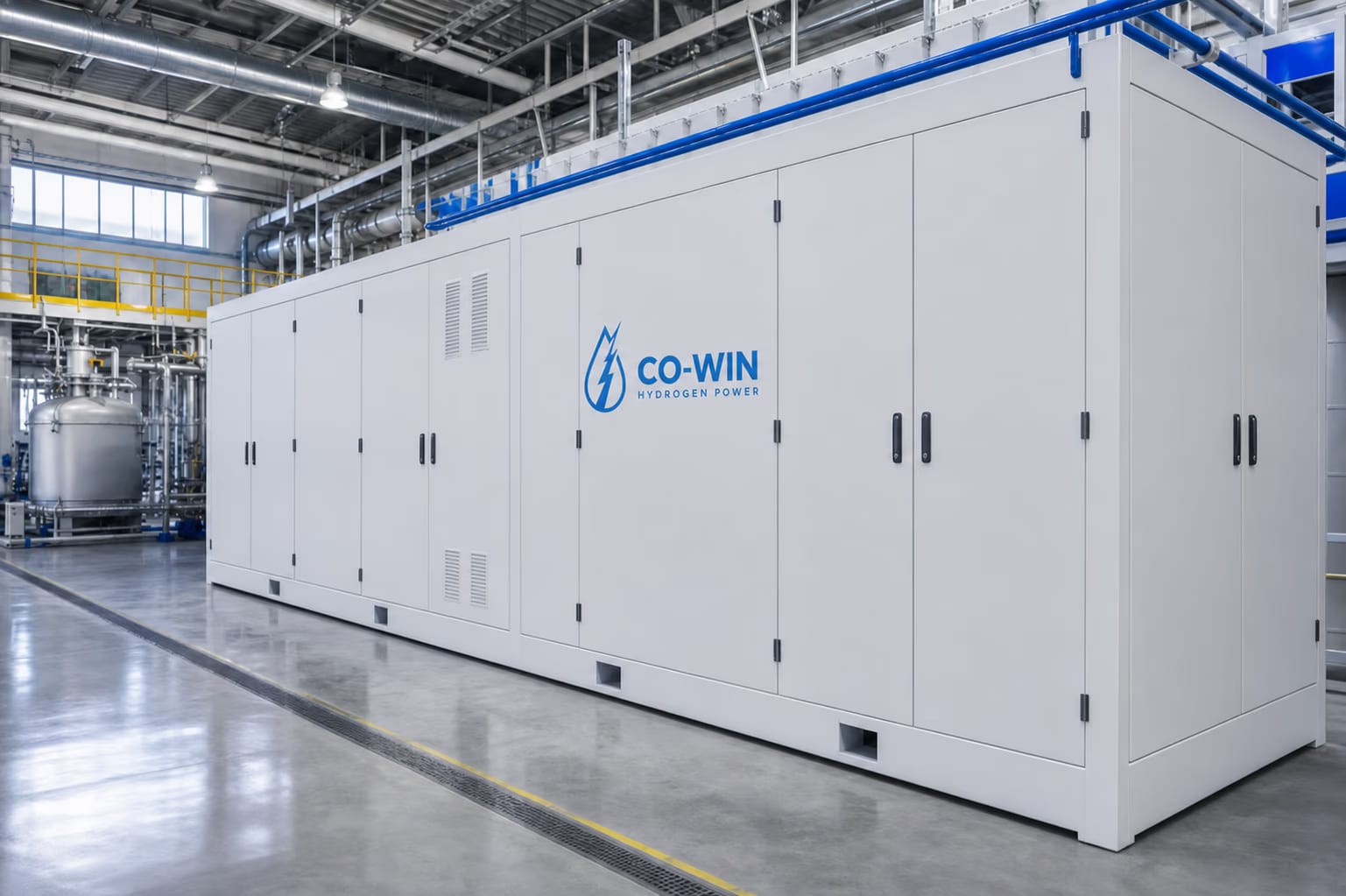
As part of CO-WIN's mobile HG series, CW-HG36 is designed where a larger, transportable hydrogen source is required, including heavy-duty logistics vehicles and equipment with substantial hydrogen demand.
36 Nm³/h output
High-capacity hydrogen delivery at 1 bar for demanding mobile applications.
Integrated control
Operate through the touch display, mobile application or PC host software.
Connected monitoring
Wired and wireless monitoring supports system visibility and service access.
Application fit
Designed for high-demand hydrogen supply.
01
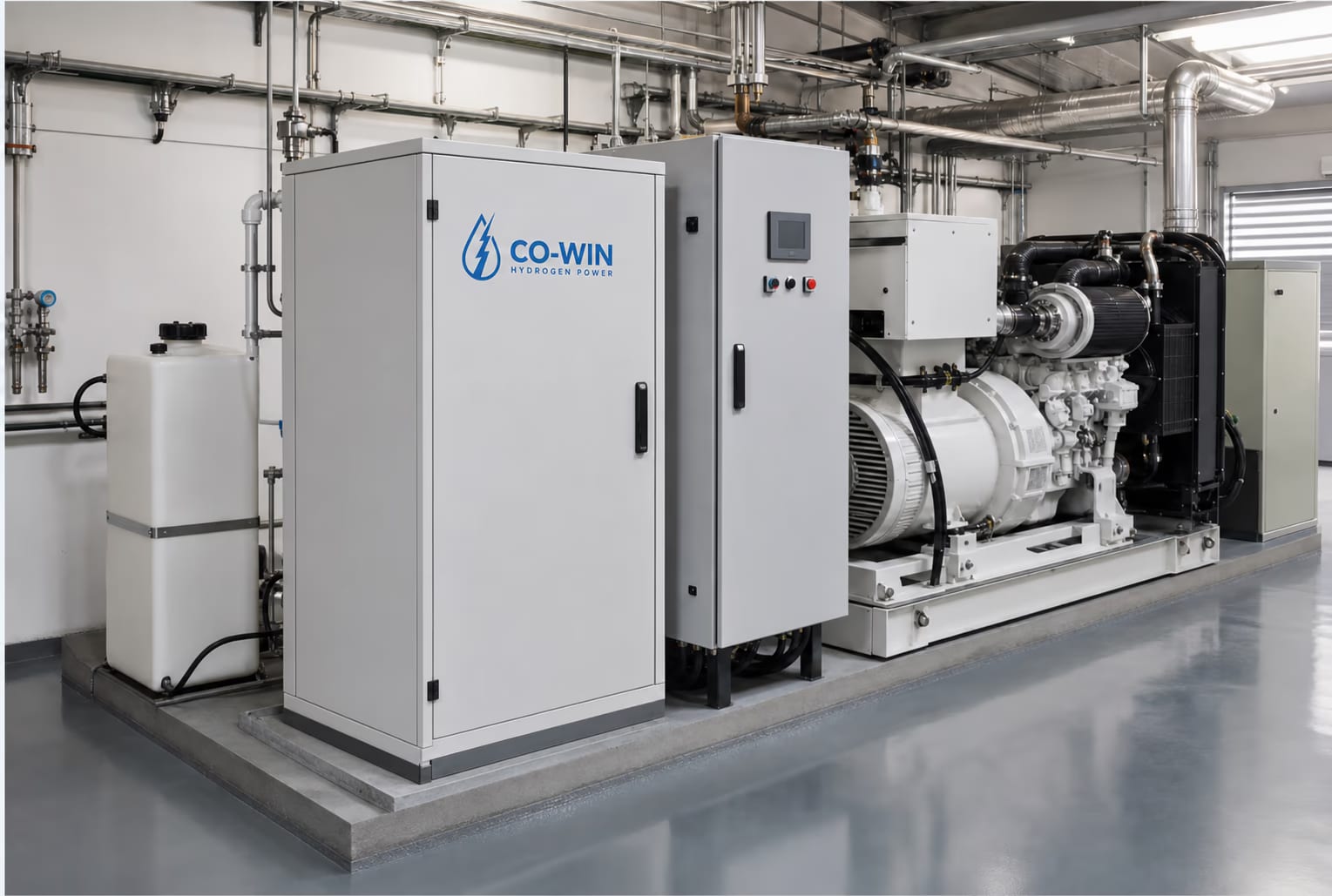
5–20 kW generator integration
02
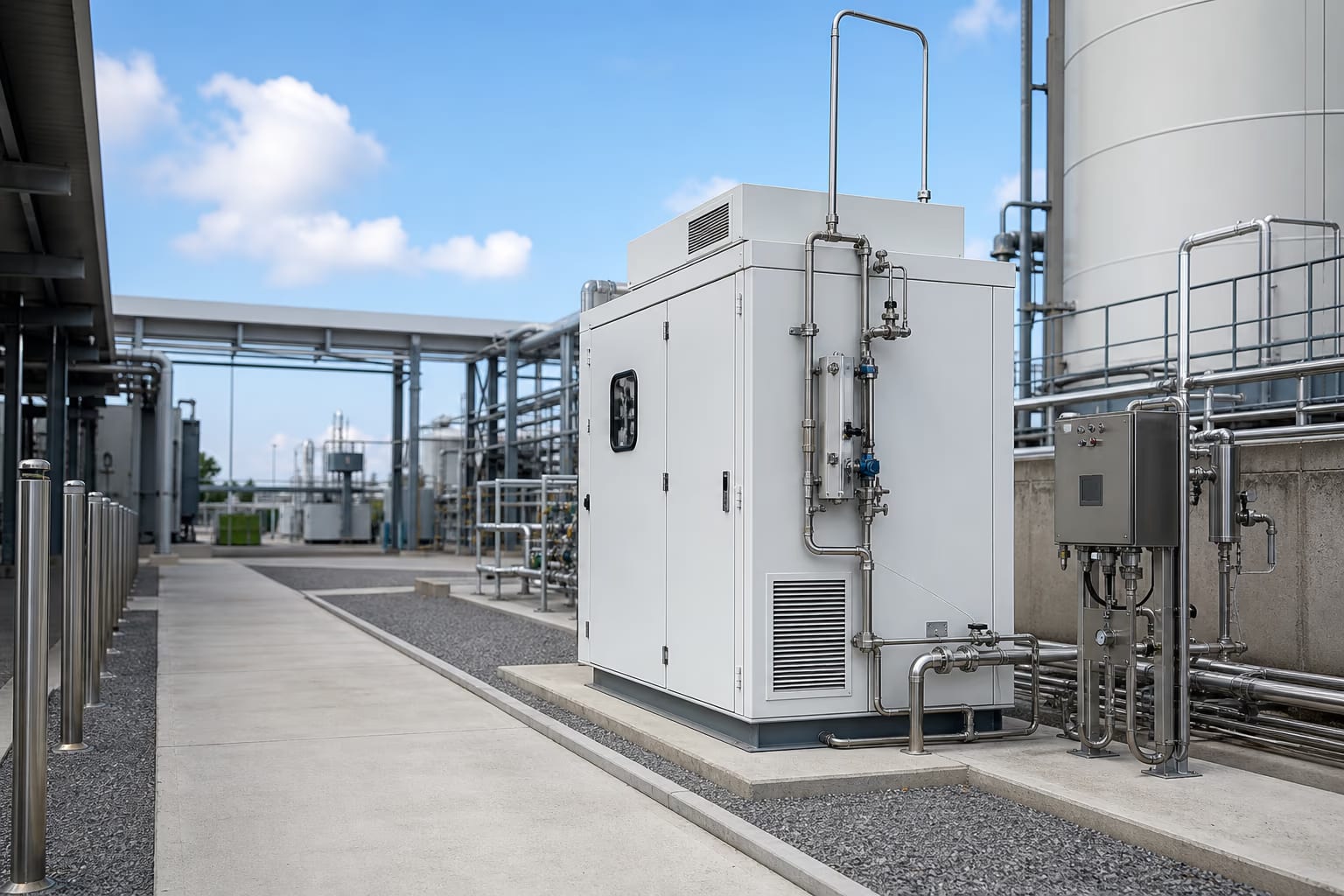
Fixed hydrogen supply
03
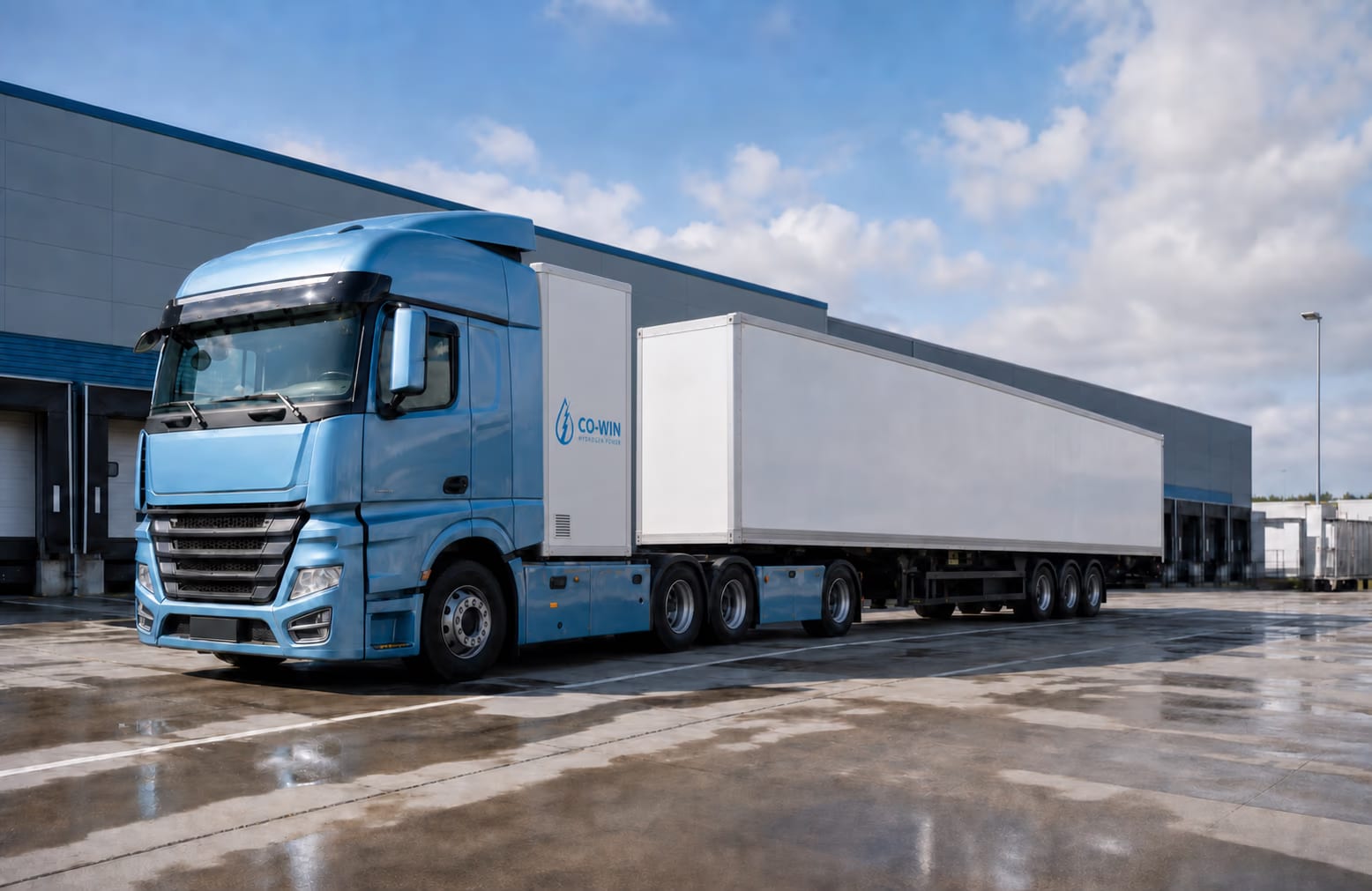
Mobile heavy-duty logistics
04
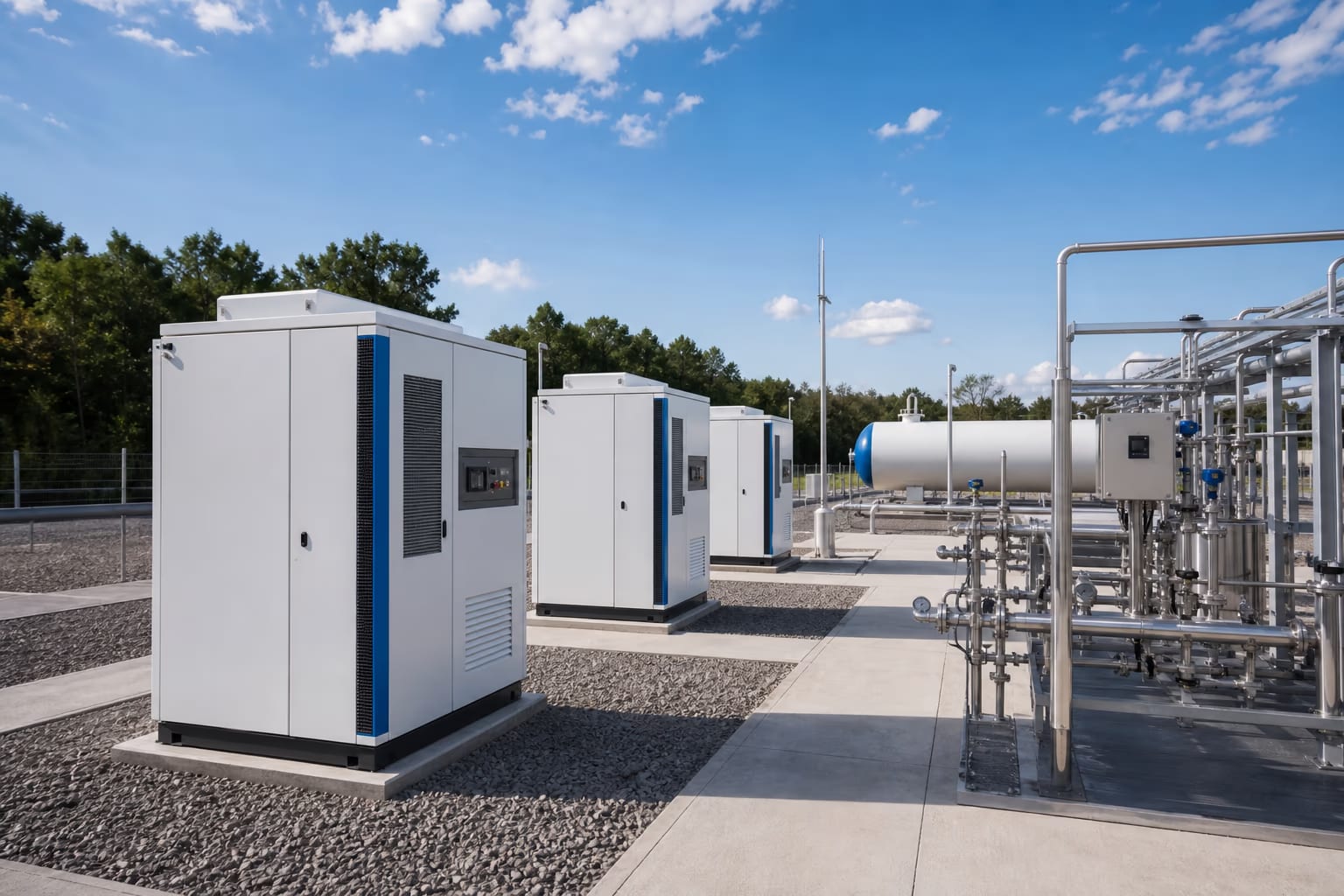
High-hydrogen-demand equipment
05
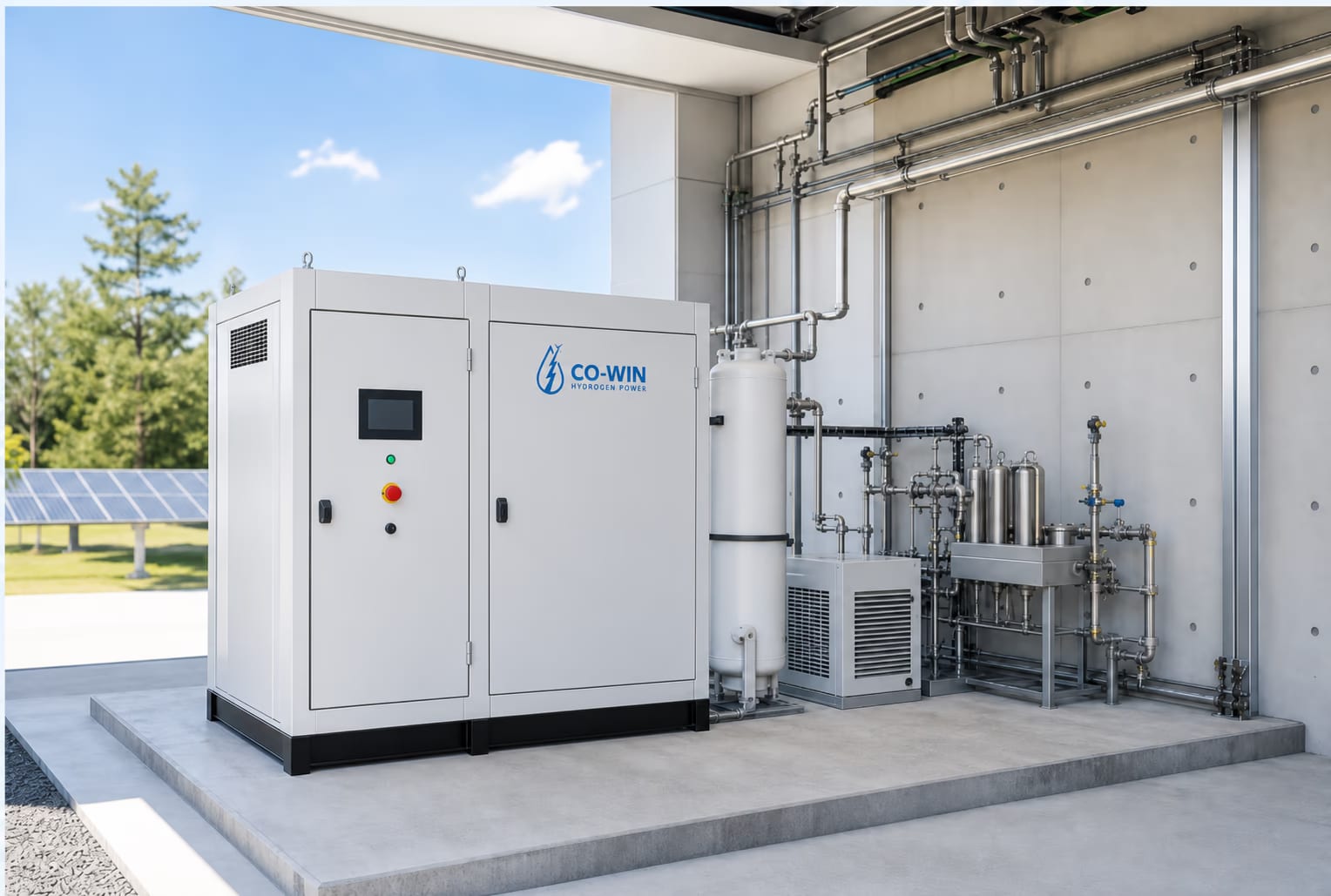
Distributed hydrogen systems
06
On-demand hydrogen applications
01
Methanol should meet IMPCA reference requirements, and deionized water should meet ASTM Type III requirements.
02
Fuel use is measured at 25°C under stable system output in a laboratory environment; actual site consumption may vary.