
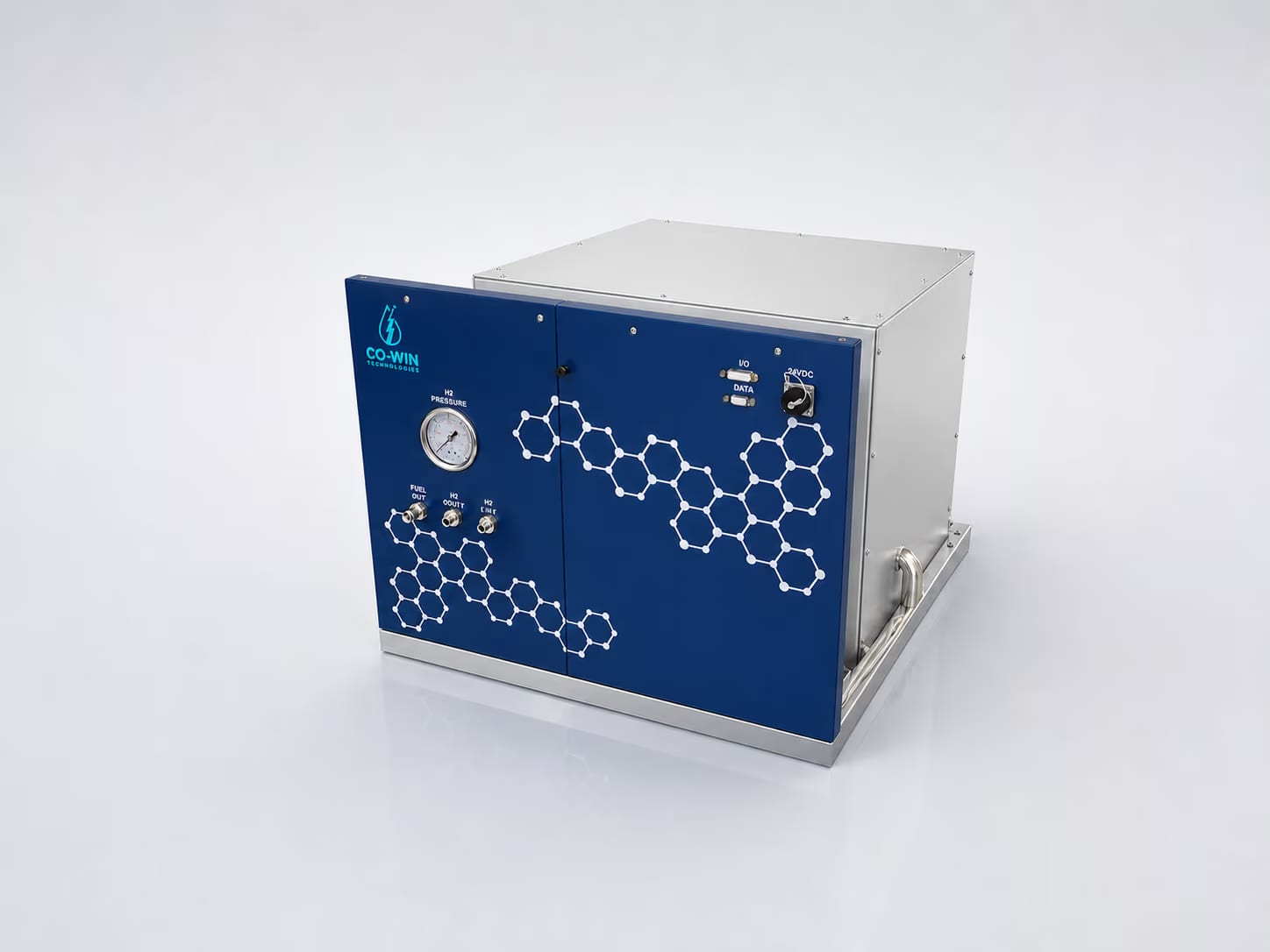
Methanol Hydrogen Generator
CW-HG4
Compact hydrogen generation from methanol-water
Part of CO-WIN's HG series, CW-HG4 combines methanol-water reforming and palladium-membrane purification to deliver high-purity hydrogen on demand.
Request product informationHG series technology
Thermal coupling, built for responsive hydrogen supply.
HG generators couple palladium-membrane purification, high-thermal-stability catalyst technology and aluminium-alloy casting. The catalyst and membrane operate at aligned optimum temperatures, while high heat-transfer aluminium alloy rapidly delivers combustion heat to the reformer.
- Hydrogen generation principle
- Methanol-water reforming with palladium-membrane purification
- Product formats
- Fixed and mobile hydrogen generators
- Fixed series
- HG2, HG4, HG7 and HG10 for 5–20 kW generator integration
- Mobile series
- HG36 and HG108 for heavy-duty logistics vehicles and high-hydrogen-demand applications
- Hydrogen purity
- H2 99.97%; CO ≤0.2 ppm
- Hydrogen outlet pressure
- 0.6–2 bar
- Hot standby
- Hydrogen generation starts within 30 seconds
- Fuel mixture
- 62% methanol / 38% deionized water 1
- Fuel consumption
- Approximately 1 kg or 1.1 L of fuel per Nm³ hydrogen under stable 25°C laboratory conditions 2
- Data interfaces
- RS-485, CAN, Modbus, MQTT and J1939; custom protocols supported
- Control modes
- Touch display, mobile app and PC host software
- Monitoring
- Wired and wireless monitoring
Fixed HG series
Compare compact hydrogen generators.
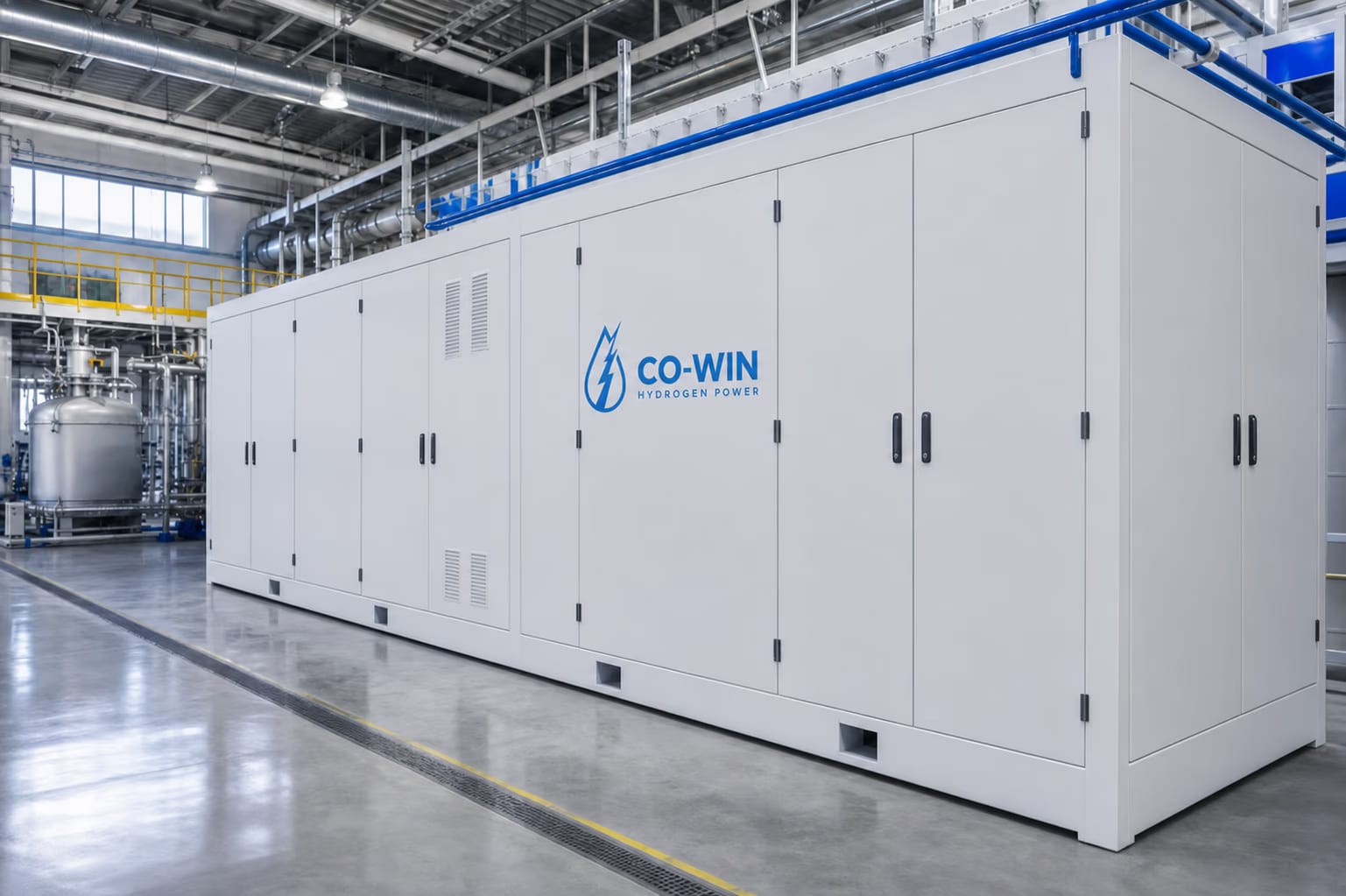
HG4, HG7 and HG10 are fixed systems designed to integrate with 5–20 kW generators.
| Specification | CW-HG4 | CW-HG7 | CW-HG10 |
|---|---|---|---|
| Dimensions | W545 × D613 × H426 mm | W596 × D702 × H503 mm | W596 × D702 × H650 mm |
| Weight | ~100 kg | ~120 kg | ~150 kg |
| Hydrogen output | 4 Nm³/h | 7 Nm³/h | 10 Nm³/h |
| First start-up power | 2,000–4,000 W | ||
| Operating power | ~300 W | ||
| Power supply voltage | 48 VDC (48–56 VDC); other voltages available on request | ||
From fuel to hydrogen
Efficient conversion, ready when needed.
High-thermal-stability catalyst technology and palladium-membrane purification are thermally coupled to avoid the temperature mismatch associated with conventional copper-zinc catalysts. The result is efficient, gentle conversion of methanol-water into hydrogen for downstream equipment.
Thermal coupling
Aligned catalyst and membrane temperatures support stable reforming and hydrogen purification.
Rapid heat delivery
High heat-transfer aluminium alloy moves combustion heat quickly to the reactor.
Ready in 30 seconds
Unique hot-standby operation enables rapid hydrogen generation when demand arrives.
Application fit
Hydrogen supply scaled to the job.
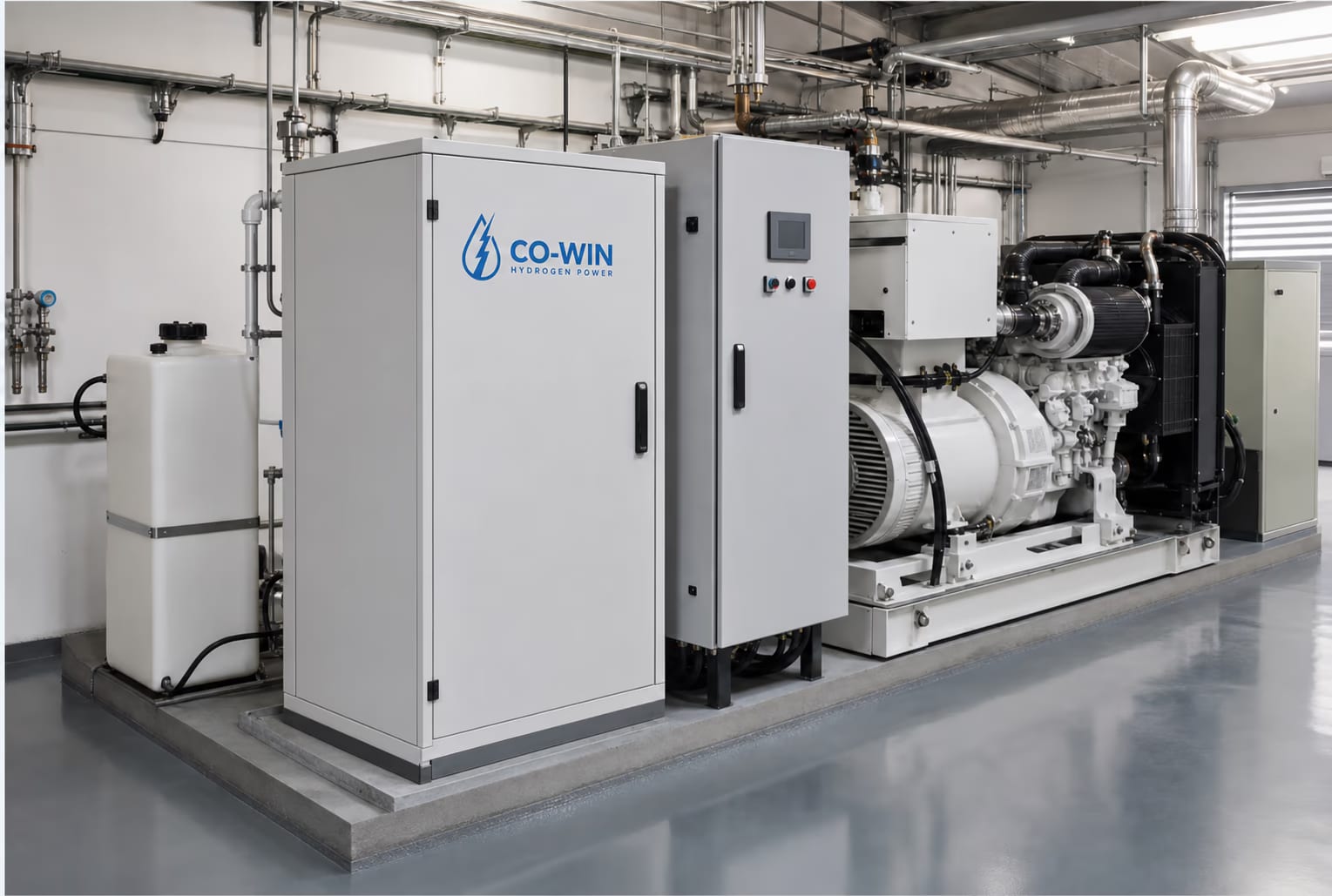
01
5–20 kW generator integration
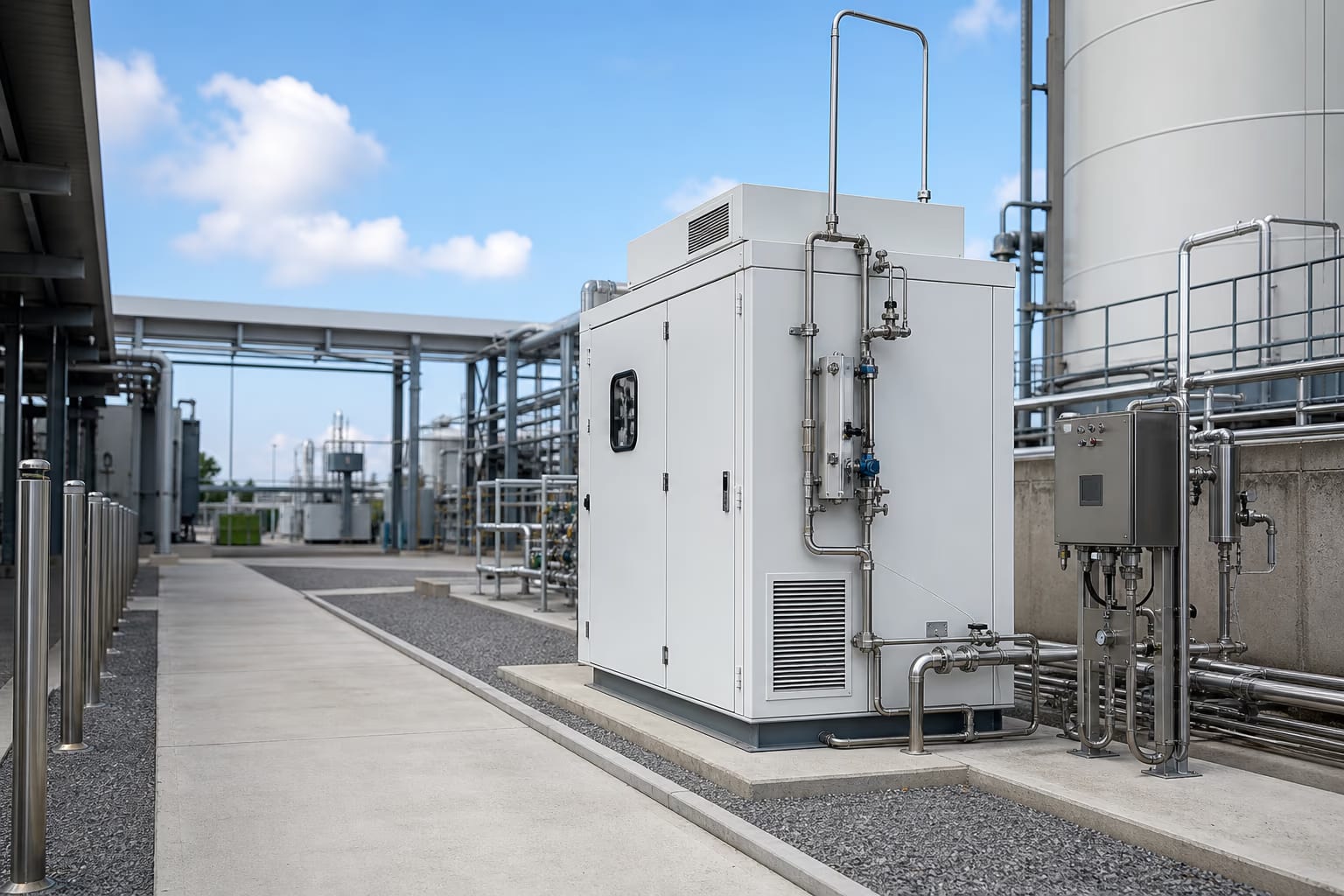
02
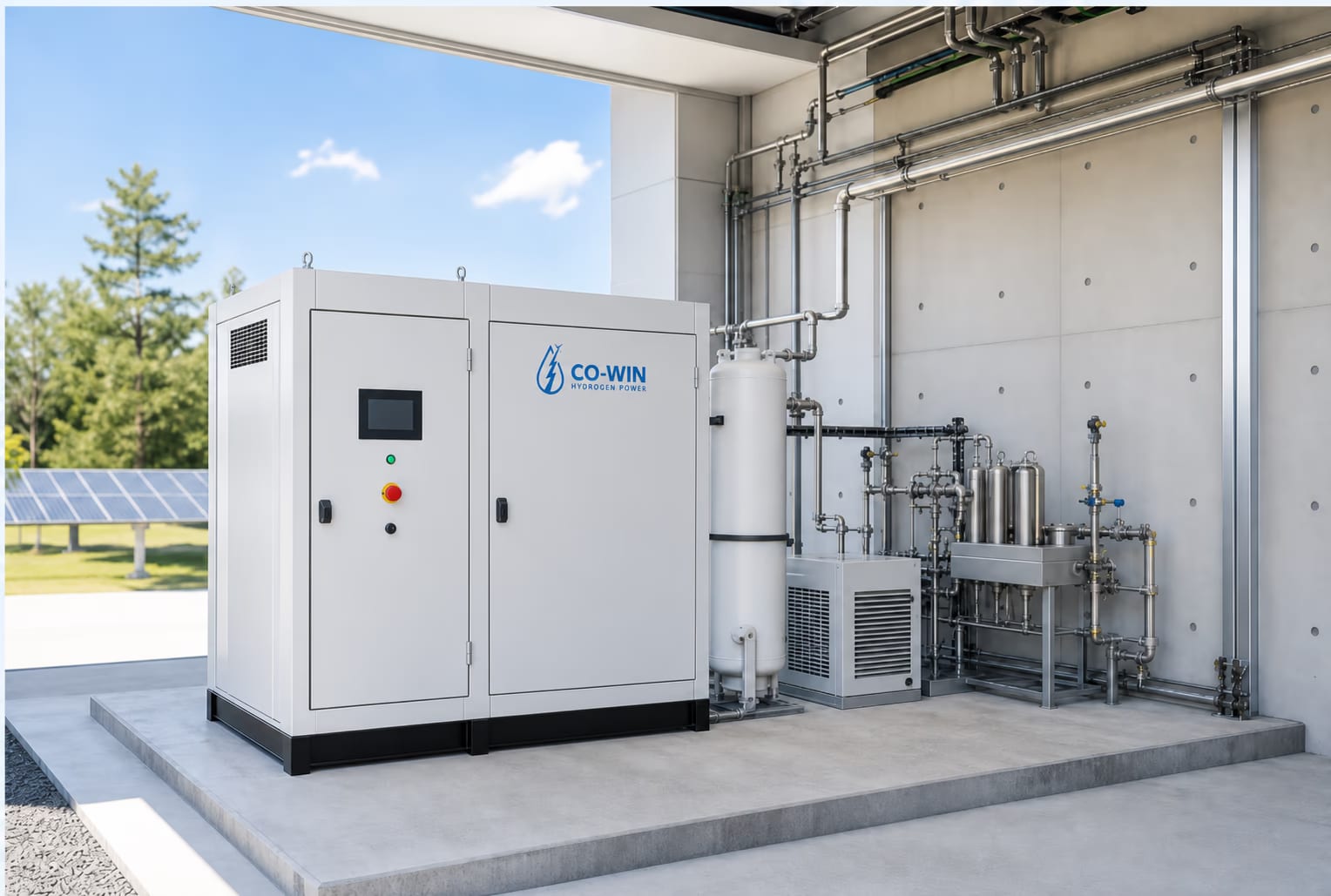
Fixed hydrogen supply
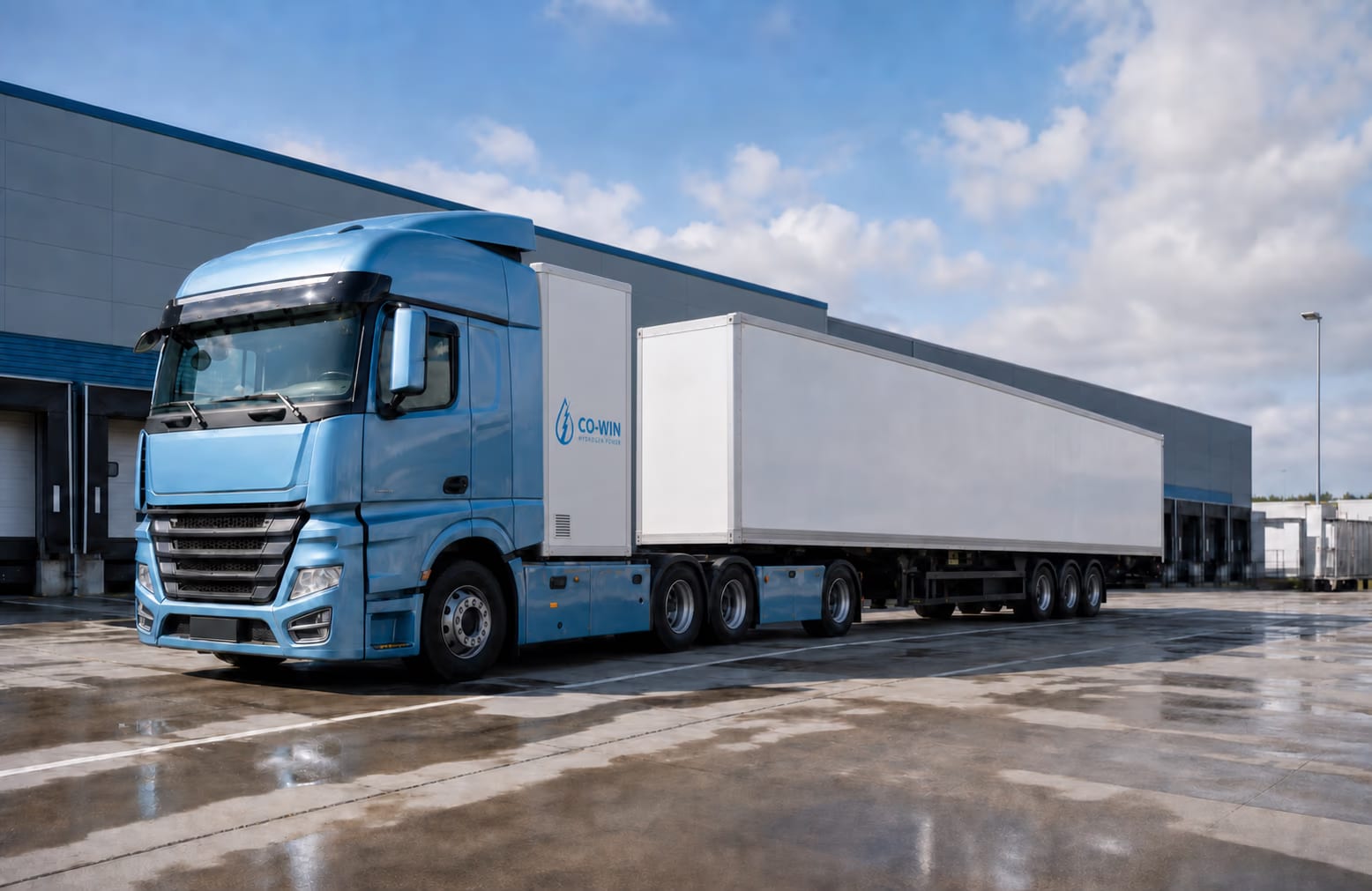
03
Mobile heavy-duty logistics
04
High-hydrogen-demand equipment
05
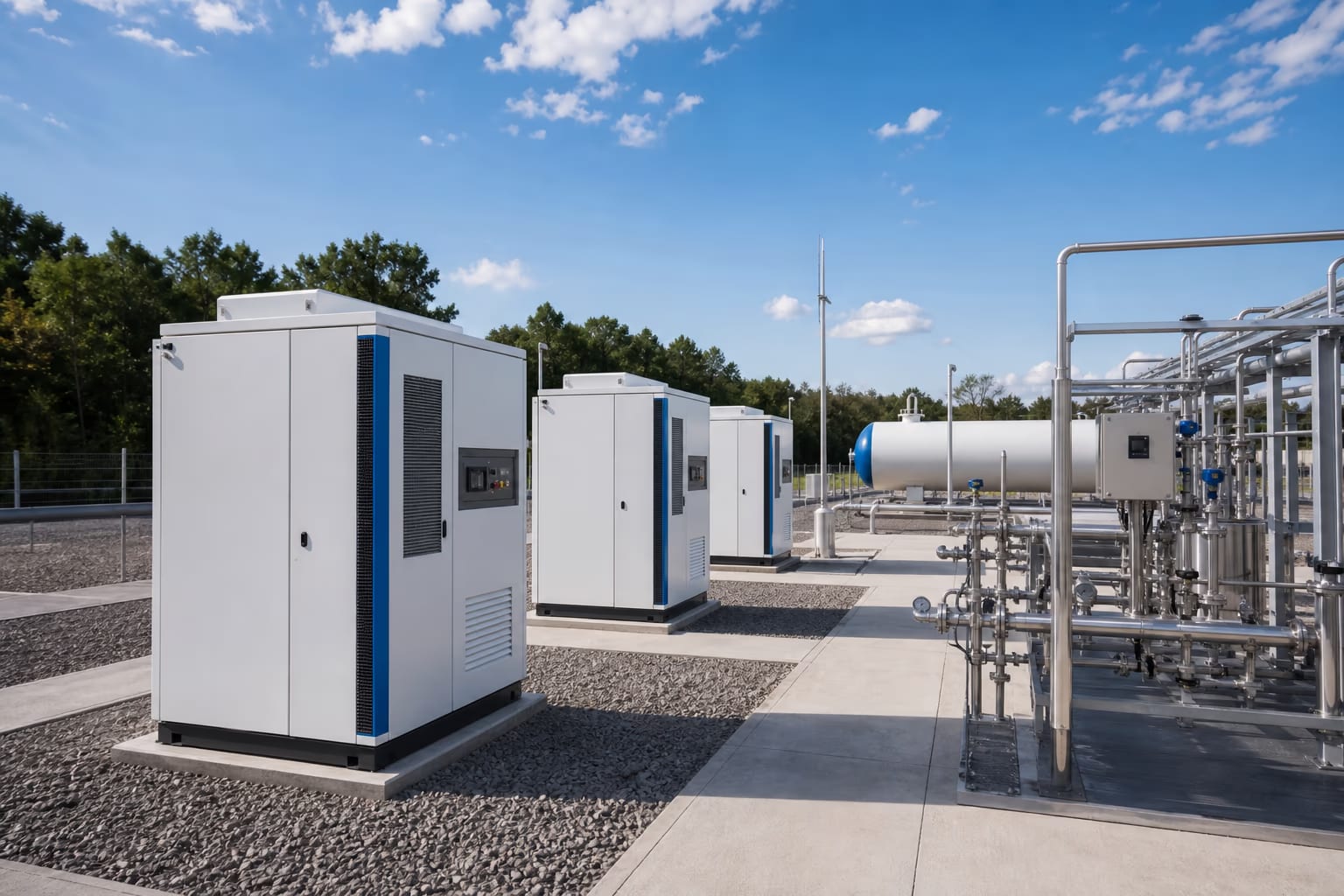
Distributed hydrogen systems
06
On-demand hydrogen applications
01
Methanol should meet IMPCA reference requirements, and deionized water should meet ASTM Type III requirements.
02
Fuel use is measured at 25°C under stable system output in a laboratory environment; actual site consumption may vary.